
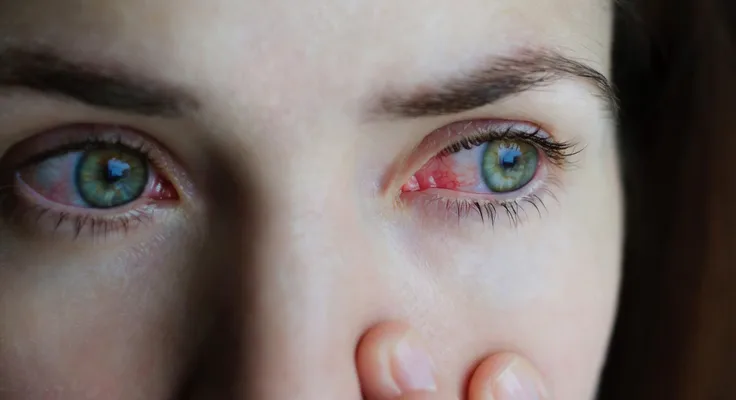
Sound Familiar?
Most dry eye disease is caused by meibomian gland dysfunction (MGD) — a blockage of the tiny oil glands in your eyelids that keep your tear film stable. Artificial tears address symptoms temporarily; IPL and TearCare® treat the underlying gland dysfunction directly.
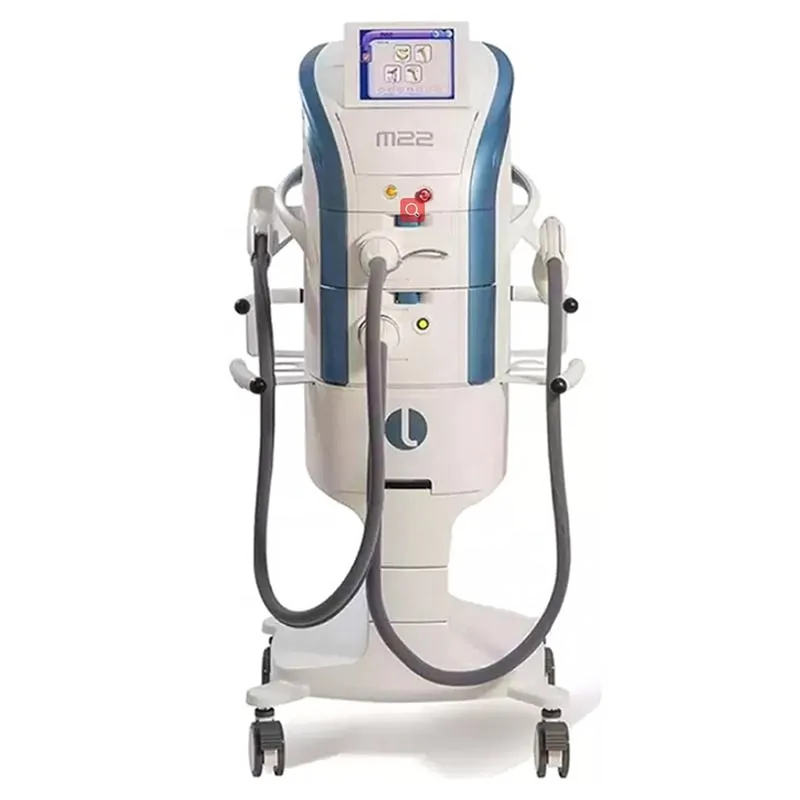
IPL — Intense Pulsed Light
IPL applies precisely calibrated pulses of broad-spectrum light to the skin around the eye. This reduces inflammation in the meibomian glands, breaks up abnormal blood vessels that drive chronic MGD, and stimulates gland function — leading to a healthier, more stable tear film.
IPL is typically paired with meibomian gland expression (MGX) to physically clear blockages in the same appointment. Most patients complete 2–4 sessions spaced 3–4 weeks apart, followed by periodic maintenance.
Meta-analysis of 13 studies — IPL vs. placebo for MGD-related dry eye
Mayo Clinic retrospective study of patients with refractory dry eye after IPL + MGX
Improvement in at least one eye in Mayo Clinic study population
Clinical studies used 2–4 IPL sessions to achieve significant, lasting results
Sources: Review of Optometry meta-analysis (2024); Mayo Clinic retrospective study (2024).
24-month SAHARA RCT confirms durable relief from signs and symptoms of DED with 1–2 treatments/year
SAHARA RCT: meaningful improvement maintained with just two TearCare treatments within a 5-month period
Most patients notice improvement within days of treatment
Peer-reviewed data: TearCare significantly improved total OSDI, SANDE, and eye dryness scores from baseline
Sources: SAHARA RCT 24-month data, Sight Sciences (2025); Peer-reviewed OPTH comparison study, Dove Press.
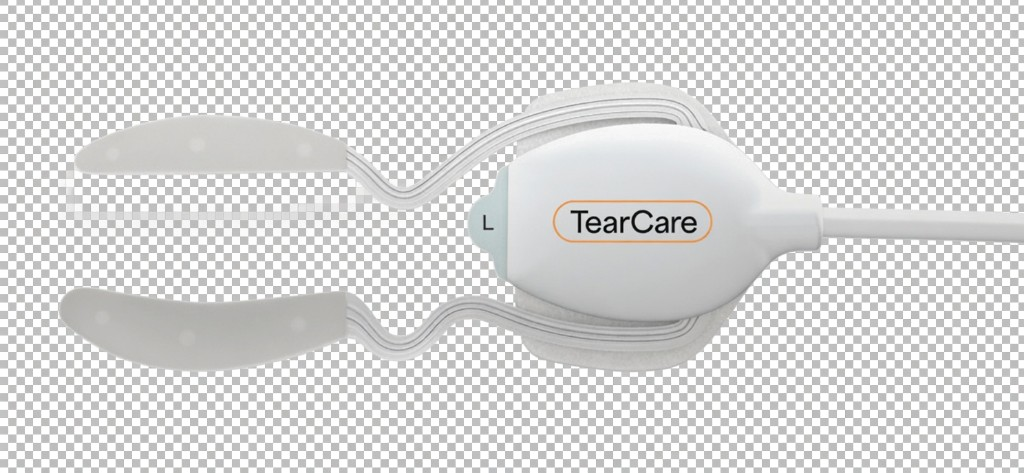
TearCare® Thermal Therapy
TearCare® delivers precisely controlled, localized heat directly to the eyelid through wearable flexible devices — melting the thickened oils that block meibomian glands while allowing the eyes to remain open and naturally blink throughout treatment.
After thermal softening, meibomian gland expression clears the glands. The 24-month SAHARA randomized controlled trial — one of the most rigorous dry eye studies published — confirms that TearCare delivers immediate, powerful, repeatable, and long-lasting results, with just one to two treatments per year maintaining significant improvement.
IPL vs. TearCare® — Which Is Right for You?
Both treat meibomian gland dysfunction — but they work differently. Dr. Tanous will recommend the right approach (or a combination) based on your dry eye profile.
| Factor | IPL | TearCare® |
|---|---|---|
| Primary mechanism | Reduces lid margin inflammation via light energy | Thermal melting of blocked meibum via localized heat |
| Best for | Inflammatory MGD, rosacea-related dry eye, refractory cases | Obstructive MGD, thick blocked glands, post-surgical dry eye |
| Treatment sessions | 2–4 initial sessions + periodic maintenance | 1–2 treatments/year for long-term maintenance |
| Skin tone eligibility | Best for Fitzpatrick I–IV (discuss at consultation) | All skin tones eligible |
| Eyes open during tx | Protected with eye shields | Yes — natural blinking maintained |
| Evidence strength | Meta-analysis of 13 studies (2024) | 24-month randomized controlled trial (2025) |
| Can be combined? | Yes — often paired with TearCare® for best outcomes | Yes — often paired with IPL for best outcomes |
Important for Surgical Patients
Dry Eye Affects Your Surgical Outcomes
Untreated dry eye disease can significantly affect LASIK, PRK, and cataract surgery outcomes — including accuracy of pre-operative measurements and quality of vision post-op. Dr. Tanous evaluates and treats dry eye before surgery so Dr. Swann can deliver the best possible result.
Your Dry Eye Expert
Dr. Jordan Tanous, OD leads our dry eye clinic. As a therapeutically licensed optometrist with specialized training in ocular surface disease, Dr. Tanous offers a comprehensive evaluation, diagnostic testing, and a personalized treatment plan — including IPL, TearCare®, prescription medications, and lifestyle guidance.
Meet Dr. TanousWhat to Expect at Your Dry Eye Visit
Comprehensive Dry Eye Evaluation
Tear volume, tear film stability, meibomian gland assessment, and symptom scoring.
Personalized Treatment Plan
Dr. Tanous reviews your findings and recommends IPL, TearCare®, medications, or a combination.
In-Office Treatment
IPL or TearCare® performed same day or at a scheduled follow-up appointment.
Ongoing Management
Follow-up to assess response and schedule maintenance treatments to keep symptoms controlled.
Stop Managing Symptoms.
Start Treating the Cause.
Schedule a dry eye evaluation with Dr. Tanous at Brazos Eye Surgery of Texas in Waco. We'll find out what's driving your dry eye and build a treatment plan that addresses it directly.