


Loss of Side Vision
Peripheral vision can fade slowly — like looking through a tunnel — while the center still looks clear. Many people do not notice until significant damage has occurred.
Glaucoma is a group of eye conditions that damage the optic nerve — most commonly caused by elevated intraocular pressure. It is called “the silent thief of sight” because most patients have no symptoms until significant vision is already lost.
Over 3 million Americans have glaucoma, and half don't know it. Regular eye exams — especially after age 40 — are the only reliable way to detect it before permanent damage occurs.
Risk factors for glaucoma include:
· Age over 60
· Family history of glaucoma
· Elevated intraocular pressure
· Nearsightedness (myopia)
· African, Hispanic, or Asian ancestry
· History of eye injury or steroid use
Do you experience any of these symptoms?
Peripheral vision can fade slowly — like looking through a tunnel — while the center still looks clear. Many people do not notice until significant damage has occurred.

Rainbow-colored rings or glare around headlights and lamps, especially at night, can be an early sign of rising eye pressure.
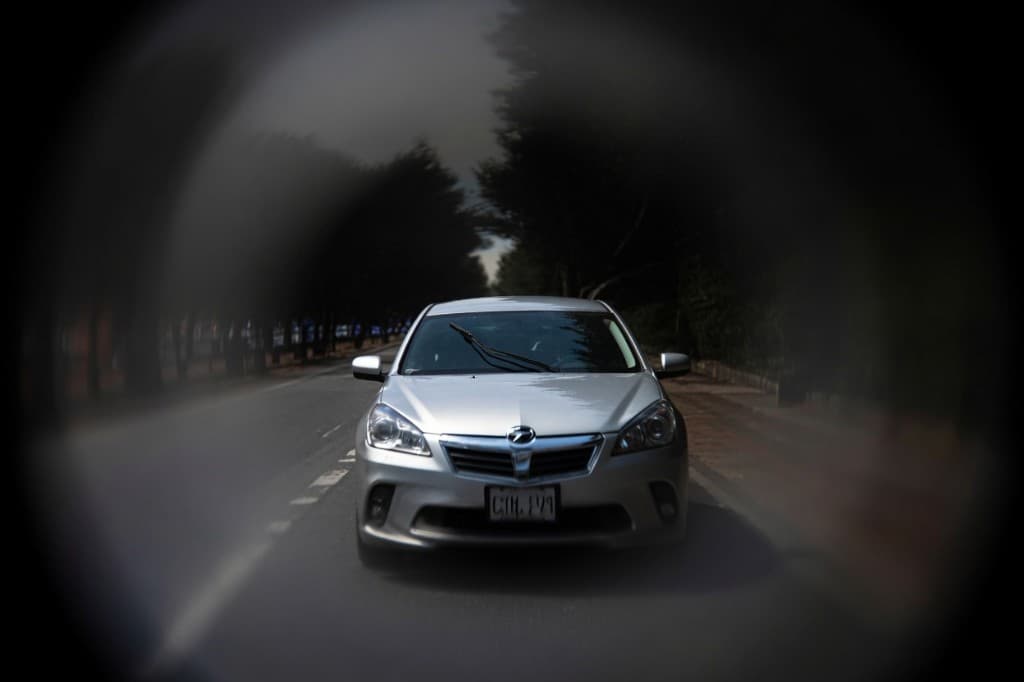
In advanced glaucoma, peripheral vision narrows until only a small central area remains — like looking through a tunnel. Driving, climbing stairs, and navigating unfamiliar spaces become much harder.

Sudden eye pain, redness, headache, and nausea may signal acute angle-closure glaucoma. This is an emergency — seek care immediately.
Important: Most glaucoma patients have no symptoms at all in the early stages. If you recognize any of the signs above — or have risk factors — schedule a comprehensive eye exam. Annual exams are essential after age 40.
Glaucoma is a lifelong condition — but it doesn't have to define your vision. Catching it early and staying consistent with follow-up care is the single most important thing you can do to protect the sight you have.
There is no cure for glaucoma. Treatment cannot reverse vision that's already been lost — it slows or stops further damage by keeping eye pressure under control. Our goal is to keep glaucoma at bay so you can continue living fully with the vision you have today.
A helpful way to think about it
Glaucoma is a lot like diabetes: you have the disease, and you always will. But with the right monitoring, medications, and — when needed — surgery, it doesn't have to win. Many patients live for decades with well-managed glaucoma and maintain excellent functional vision.
While glaucoma damage cannot be reversed, progression can be stopped. We personalize every treatment plan to your stage, lifestyle, and goals.
First-line treatment for most patients. Prescription drops lower intraocular pressure to protect the optic nerve.
Selective Laser Trabeculoplasty — a quick in-office laser procedure that improves fluid drainage and reduces pressure.
Micro-scale surgical procedures with faster recovery than traditional surgery — often performed at the time of cataract surgery.
A conventional surgical option that creates a new drainage pathway for patients with advanced or uncontrolled glaucoma.
Learn how common glaucoma treatments work — from in-office laser therapy to advanced surgical options — with short educational animations.
SLT is a quick, in-office laser treatment that improves fluid outflow through the trabecular meshwork — the eye's natural drainage channel. It can lower intraocular pressure and may reduce reliance on daily glaucoma drops, with the option to repeat the procedure if pressure rises again.
Goniotomy opens the eye's natural drainage angle to improve fluid outflow — a minimally invasive approach often performed with systems like the OMNI Ergo shown in the video below. When prior filtering surgery has scarred or pressure remains uncontrolled, the right next step varies by patient; at Brazos Eye we offer a full range of advanced surgical options, including trabeculectomy revision, tube shunt, MIGS, and goniotomy.
Glaucoma drainage device (tube shunt) surgery places a small silicone tube inside the eye to channel fluid to an external reservoir, lowering pressure when drops, laser, or trabeculectomy are insufficient. It is often recommended for advanced glaucoma or when prior filtering surgery has scarred.
Dr. Swann's dedicated glaucoma fellowship means years of advanced training beyond standard ophthalmology residency — applied to every patient in Waco. You get subspecialty-level care without leaving Central Texas.